
If you want quality patio furniture on sale right now, June is genuinely one of the best windows of the year to buy. Retailers are running Father's Day promotions, and the early-summer clearance cycle has already started at big-box stores like Home Depot, Lowe's, Walmart, and Costco. The trick is knowing how to tell the difference between a real deal on durable furniture and a markdown on something that will rust, crack, or fall apart by next summer. This guide walks you through exactly that: how to read quality cues fast, where to find legitimate discounts today, and how to protect yourself from inflated MSRPs and lousy return policies.
Quality Patio Furniture on Sale: How to Buy Smart

Rowan Vale
9 Jun 2026
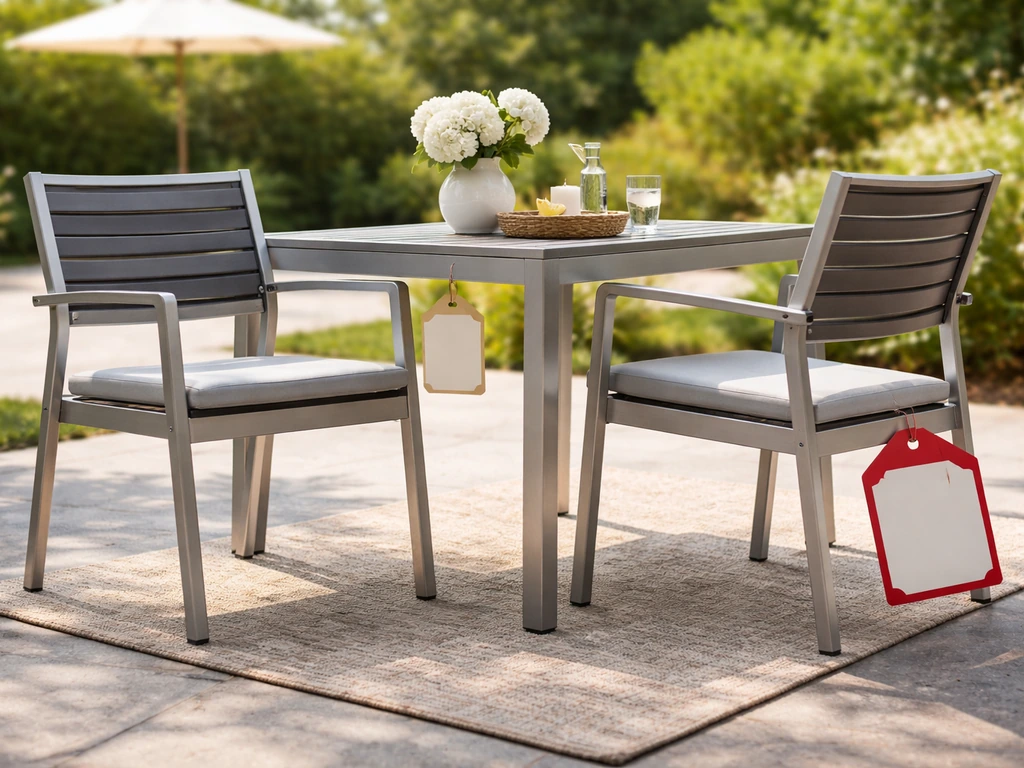
How to Judge Quality Before You Buy
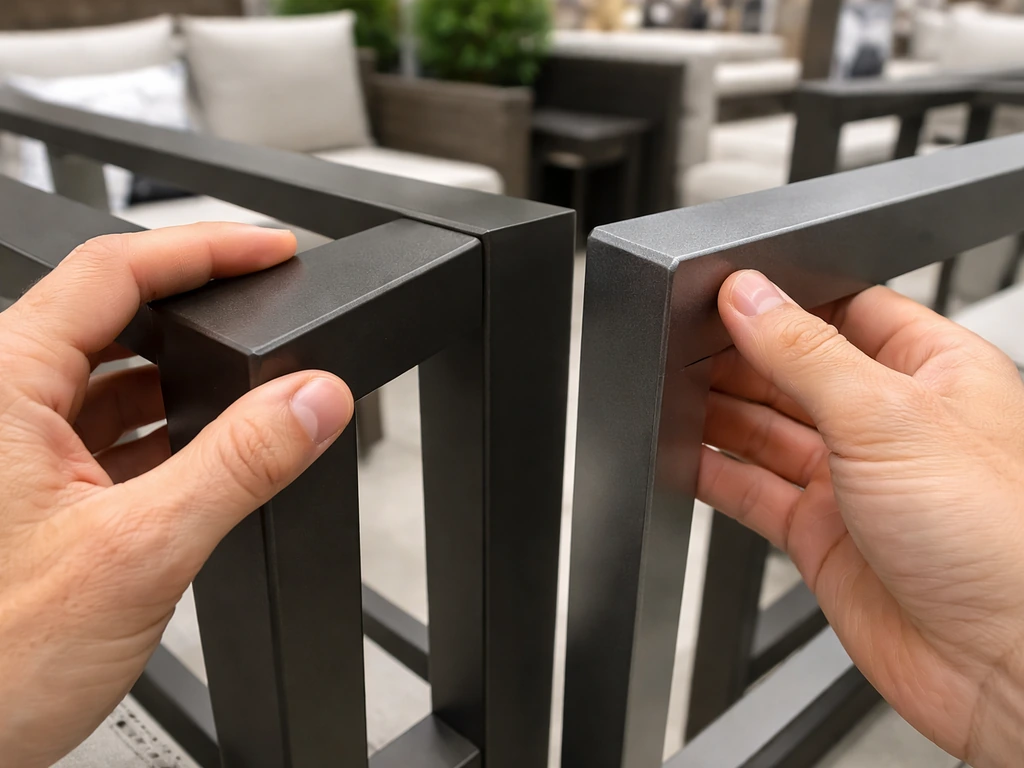
The word 'quality' gets thrown around a lot in product listings, so let's break it down into things you can actually check in 60 seconds on a product page or in a store aisle.
Frame materials matter most
Aluminum is the sweet spot for most buyers. It doesn't rust, it's lightweight, and it holds up in rain, humidity, and sun without a lot of maintenance. Powder-coated aluminum is even better because the coating adds scratch and UV resistance. Teak is the gold standard for wood but comes at a premium price and needs annual oiling to stay looking sharp.
Wrought iron is heavy and classic but absolutely will rust if the coating chips and you don't keep up with it. Steel frames (especially hollow steel) are the red flag: Lowe's own warranty documents note rust spotting limitations for steel parts, which tells you everything you need to know. If a deal seems great and the frame is 'steel,' look closely.
Construction and joinery
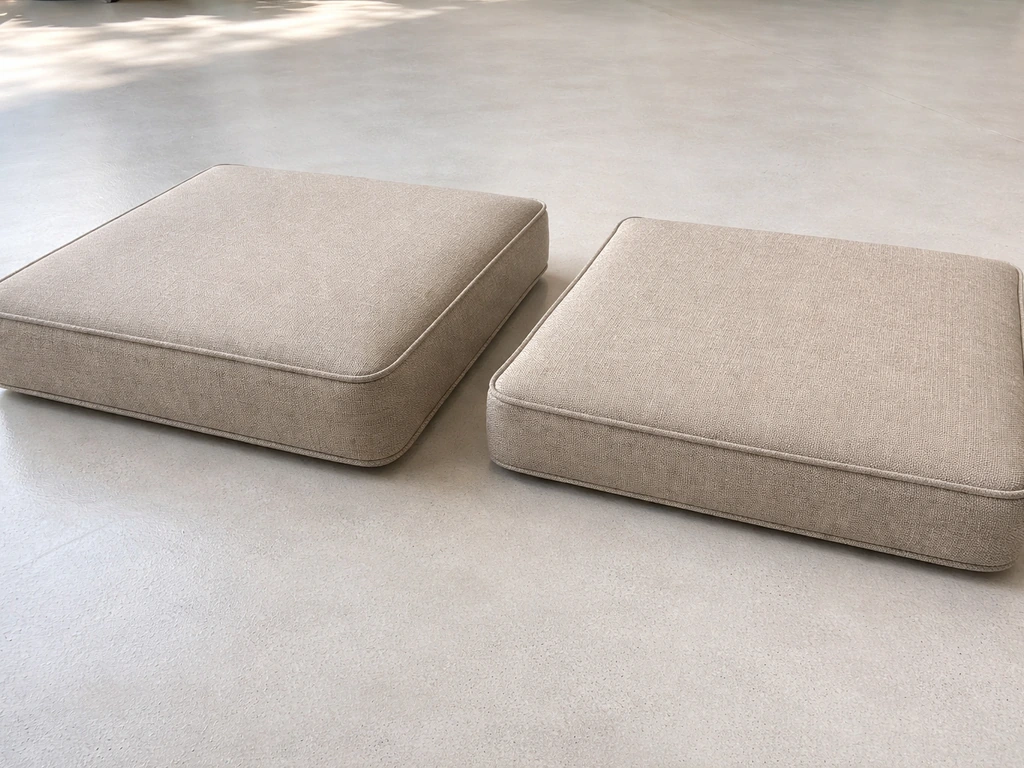
Grab the chair or table and try to wiggle it. Wobbly joints on the showroom floor only get worse over time. Look for welded joints rather than bolted or screwed connections on metal furniture. On wicker or resin-wicker pieces, check that the weave is tight and the frame underneath is aluminum (not steel). Resin wicker over a steel frame is a durability mismatch that you'll regret in two or three seasons.
Cushions and fabric
Cushion fabric is where a lot of budget sets cut corners. Sunbrella is the benchmark: it carries a 10-year limited warranty against fading and mildew issues, and it's genuinely UV-resistant in a way that cheap polyester isn't. Olefin fabric is a solid runner-up, resistant to staining, mildew, abrasion, and sunlight, and you'll find it on mid-range sets at Home Depot and Lowe's. If the listing just says 'polyester' with no brand name or warranty, assume you'll be replacing those cushions within two seasons. Also check cushion thickness: anything under 3.5 inches tends to flatten out fast.
Warranty as a quality signal
Warranties tell you how much the manufacturer actually trusts their own product. blank" rel="noopener noreferrer">Frontgate backs aluminum, teak, and wicker frames with a 10-year structural warranty for residential use, plus a 2-year warranty on cushion fabric and finishes. That's a high bar. At the other end, plenty of big-box options carry only a 1-year limited warranty on aluminum frames. blank" rel="noopener noreferrer">Home Depot's aluminum category pages show a range from 1-year to 5-year limited warranties depending on the brand. A 5-year frame warranty on an aluminum set at a fair price is a genuinely good deal. Anything less than a year should give you pause.
| Frame Material | Rust Risk | Maintenance | Typical Warranty | Best For |
|---|---|---|---|---|
| Powder-coated aluminum | None | Very low | 1–10 years | Most buyers |
| Teak wood | None | Moderate (annual oiling) | 5–10 years | Premium buyers |
| Resin wicker over aluminum | None | Low | 1–5 years | Style-focused buyers |
| Wrought iron | High if coat chips | Moderate | 1–3 years | Classic look, sheltered spaces |
| Steel (hollow or coated) | High | High | 1 year or less | Budget only, short-term use |
Where to Find Real Deals Right Now
Mid-June is active for patio sales across most major channels. If you want the best memorial day patio furniture sales, focus on deals with reputable warranties and check price history before you buy. Here's where to look today and what to expect from each.
Big-box retailers
Home Depot and Lowe's are running summer patio promotions right now, and both let you filter by warranty length, material, and rating online before you ever walk in. Use the online filter to narrow to powder-coated aluminum with at least a 3-year warranty, then check whether the item is available for store pickup vs. ship-to-home. Pickup avoids delivery fees and lets you inspect before you haul it home. Walmart's outdoor furniture section has ramped up significantly and is worth checking for value-tier sets, especially if you're furnishing a rental or a kids' play space where longevity is less critical.
Warehouse clubs
Costco sells patio sets in limited quantities and rotates them out seasonally, which means once something is gone, it's gone. Right now they typically have a handful of aluminum and wicker sets, often bundled with covers or cushions in the price, which adds real value. Sam's Club follows a similar model. The trade-off is that returns on large items can be logistically annoying even though both clubs have generous return policies.
Online marketplaces and specialty retailers
Wayfair, Overstock (now Bed Bath and Beyond), and Amazon carry huge selections and almost always have some percentage off applied. The challenge is that 'was' prices on these platforms are often inflated MSRPs, so use a price-tracking tool like CamelCamelCamel (for Amazon) or check Google Shopping history to see if that '40% off' was ever actually the real selling price. For higher-end buyers, Frontgate and Hayneedle run real promotions, especially around Father's Day and the 4th of July, and their warranties back up the price premium.
Local and secondhand options
Facebook Marketplace and Craigslist can surface genuinely well-built furniture (especially teak and cast aluminum) at a fraction of retail if someone is moving or downsizing. You have zero warranty protection, but if the frame is solid and the only issue is faded cushions, you can replace cushions for $50 to $150 and end up with a premium set for less than a budget big-box purchase. Estate sales and consignment shops are also worth checking if you're in a suburban area.
When Patio Furniture Goes on Sale (and When to Wait)
Understanding the sale calendar means you can shop with confidence instead of wondering if you missed a better deal. Here's how the year breaks down.
- Memorial Day (late May): The first major patio sale event of the season. Discounts of 20–40% are common across most retailers.
- Father's Day (mid-June): Where we are right now. Many retailers extend or refresh their Memorial Day deals, and it's still early enough to get full selection.
- 4th of July (early July): Another solid sale window, and you can still get summer use out of whatever you buy.
- Late July through August: Clearance starts in earnest. You'll find deeper discounts (sometimes 40–60% off) but with thinning inventory. Great for individual pieces or accessories.
- Labor Day (early September): End-of-season clearance peaks here. Best prices of the year, but selection is limited to whatever's left.
- Black Friday (November): Some retailers discount patio furniture alongside everything else, though inventory is sparse. Better for covers and accessories than full sets.
If you're buying today, you're in a sweet spot: decent discounts with full selection available. Waiting until Labor Day will get you a lower price but risks not finding the set you actually want. If you want the best Labor Day patio furniture sale deals, focus on aluminum frames and check warranties before you buy. The 4th of July sale window is also very close and worth a quick check before pulling the trigger if you're on the fence.
What to Buy First vs. What Can Wait
If you're outfitting a full patio, prioritize the main seating set first. A dining set or a deep-seating conversation set defines the space, anchors your budget, and is what you'll actually use. Get that piece right and at the best price before you start adding accent chairs, side tables, or ottomans.
Cushions, covers, and accessories can almost always wait for later-season clearance. Replacement cushions go on steep discount in August and September, so if the set you love comes with mediocre cushions, buy the frame now and upgrade the cushions in 6 to 8 weeks at 40–60% off. Outdoor furniture covers are similarly discounted end-of-season. Umbrellas and bases are often bundled into promotional sets right now, which can be a better deal than buying separately later.
Individual accent pieces like side tables, planters, and outdoor lighting are lower-urgency and safer to wait on for clearance. They're easy to find year-round and don't require the same coordination as matching a set.
How to Compare Deals and Spot Fake Discounts

The 'was $1,200, now $699' framing is everywhere in online furniture retail, and a lot of it is misleading. Here's how to cut through it.
Price-per-seat math
Compare sets on a price-per-seat basis. A 6-piece dining set (table plus 4 chairs plus bench) 'on sale' for $800 might sound like a lot, but that's $160 per seat including the table, which is actually decent value. A 4-piece conversation set at $600 is $150 per seat for a style that typically costs more. This single number lets you compare across very different sets and categories quickly.
Check the real sale history
On Amazon, use CamelCamelCamel to look up price history. On Wayfair or Home Depot, Google the exact product name and add 'price history' or check Google Shopping's price chart. If the 'original price' was only ever listed for a week before the 'sale' started, that's a manufactured discount. A real sale has a genuine gap between the regular selling price and the current price.
Total cost, not sticker price
Always calculate the true out-of-pocket cost. Delivery for large patio sets can run $50 to $200 depending on the retailer and your location. White-glove or room-of-choice delivery adds more. Assembly, if you're hiring it out, can be another $75 to $150 for a complex set. A set that's $50 cheaper but ships with a $149 delivery fee and requires paid assembly is not the better deal. Use store pickup wherever possible to eliminate delivery costs entirely.
Warranty terms and exclusions
Read the warranty before buying, not after. Both Frontgate and Lowe's specifically note that warranties exclude normal wear and tear and require maintenance per care instructions. That's standard, but it means if your aluminum chair frame corrodes because the finish was damaged and you didn't touch it up, the warranty may not cover it. A 10-year warranty that excludes everything is worse than a 3-year warranty with clear coverage. Look for what's actually covered: structural failure, rust, fading, and hardware.
Shopping Checklist Before You Hit Buy
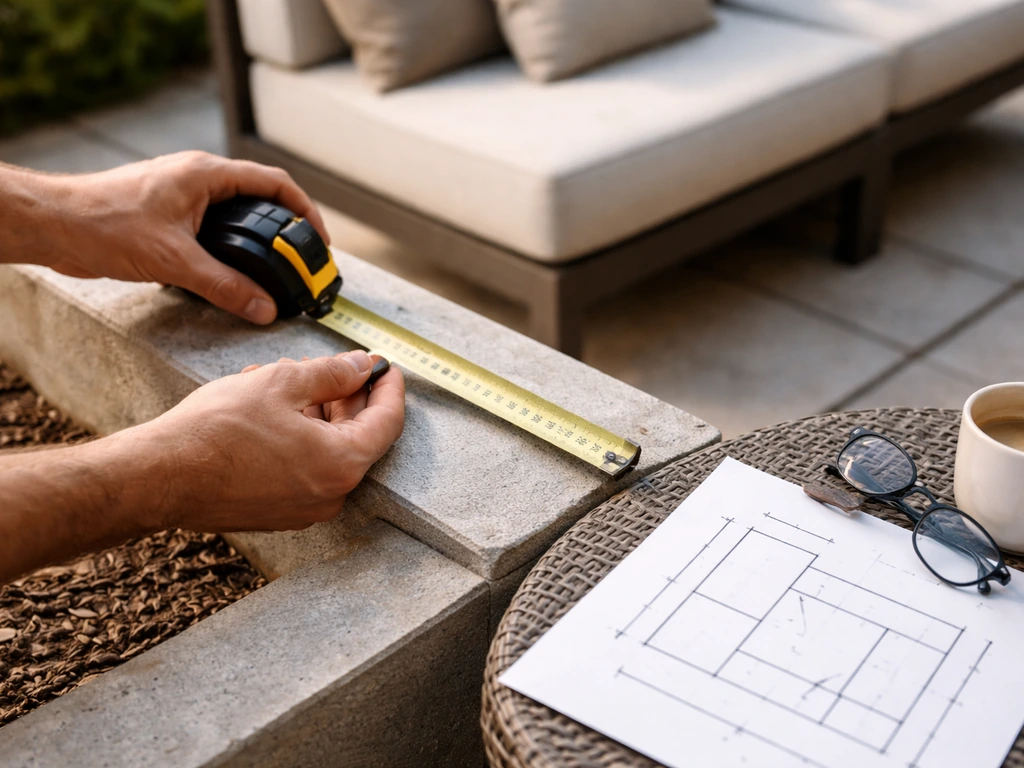
Run through these before you commit, especially for a larger purchase. It takes five minutes and saves real headaches.
- Measure your space: note the exact dimensions of your patio, deck, or balcony, including any door clearances for getting the furniture in place. Oversized sectionals are a common regret purchase.
- Check weather ratings: look for UV-resistance and rust-resistance specs on the frame and fabric. If the listing doesn't mention weather ratings, assume it's not rated.
- Confirm the warranty length and what it covers: frame, fabric, hardware, and finish should each have a listed coverage period.
- Read the care instructions: some teak and resin wicker require seasonal maintenance. Make sure you're willing to do that before buying.
- Understand the return policy: most big-box retailers allow returns on outdoor furniture within 30 to 90 days, but large items often require a pickup fee or must be returned to a store. Check this before you order.
- Verify in-stock status for your location: online listings may show 'in stock' but be shipped from a distribution center far away, adding 1 to 2 weeks of lead time. If you need furniture this week, call the store or filter for same-day pickup.
- Calculate total cost including delivery and assembly: add those line items before comparing to alternatives.
- Check customer reviews specifically for durability: filter for reviews older than one year to see how the furniture holds up after a full season outdoors.
Delivery, Pickup, and Assembly: Avoiding the Common Headaches
If you're ordering for delivery, inspect every box as soon as it arrives and before the driver leaves if possible. Note any visible damage on the delivery receipt. Don't wait to open boxes: most damage claims have a short window (often 48 to 72 hours) and require photos of the packaging alongside the damage. This is especially important with heavy items like cast aluminum tables or large dining sets where concealed damage is common.
For store pickup, bring a tape measure. Confirm the box dimensions will actually fit in your vehicle before you drive out. A standard dining table box can easily be 72 inches long, which won't work in a sedan or small SUV. Many Home Depot and Lowe's locations will hold a pickup item for 24 to 48 hours, so you can arrange a truck or larger vehicle if needed.
Assembly tips: lay out all pieces and hardware and match them to the instruction diagram before you start. Tighten hardware in two passes, snug first and then fully tight, to keep joints aligned. Don't fully tighten any bolt until the frame is fully assembled, or you'll end up with a slightly twisted frame that wobbles. If a piece is missing, stop and contact the retailer or manufacturer immediately rather than improvising, since most will ship replacement hardware within a few days for free.
For returns on large items, the process varies significantly by retailer. Costco and Walmart have straightforward return policies for most items, but you may need to bring large furniture back to the store rather than scheduling a pickup return. Home Depot and Lowe's typically allow in-store returns on outdoor furniture but will charge a restocking or pickup fee for items returned after delivery. Always keep the original packaging if there's any chance you'll return something.
Your Next Steps Right Now
Start by deciding on your primary piece: dining set or conversation/seating set. That one decision narrows your search considerably. Then set a realistic budget that includes delivery and assembly in the number, not just the sticker price. Head to Home Depot and Lowe's online first, filter for aluminum frames, sort by customer rating, and note any pieces with 3-year or longer warranties that are available for store pickup.
Cross-check those prices against Wayfair and Costco. If you're willing to stretch the budget for something that will last 10-plus years, look at Frontgate's current sale section. And if you're open to secondhand, spend 15 minutes on Facebook Marketplace searching for teak or cast aluminum in your area before you spend new-price money.
The Father's Day sale window is closing in the next week or two, and the next comparable sale event is the 4th of July, so you're not under extreme pressure to buy today. If you are shopping ahead for the best black Friday patio furniture deals, start tracking frame material, warranty length, and delivery fees now. But inventory on popular styles does thin out through July, especially for complete matching sets. If you find something that checks all the quality boxes at a fair price with good reviews, don't overthink it. If you’re specifically hunting for the best end-of-season patio furniture sale, timing your purchase around late summer clearance can help you score deeper discounts.
FAQ
Is powder-coated aluminum always a better buy than plain aluminum, even if the plain set is on deeper sale?
Often yes, but verify the coating quality by checking whether the finish is described as “powder-coated” for the entire frame (not just the top layer). Also look for maintenance guidance, since chipped spots can still need touch-up to prevent premature corrosion, especially in coastal or high-salt areas.
What should I do if the sale price looks good but the warranty is short or hard to find?
Use the warranty length as the decision tie-breaker, but don’t rely only on the listing. Search for the brand’s warranty PDF or product page and confirm coverage for the exact item and finish. If the warranty terms are missing for that SKU, treat it as a lower-confidence discount and budget for replacement cushions sooner.
How can I tell whether “steel” furniture is actually better value than aluminum for my climate?
Steel can be acceptable in dry climates if the coating is intact, but the risk rises with rain, humidity, and freeze-thaw cycles. If the frame is steel, check for protective paint thickness cues (or any mention of anti-rust primer), and inspect for visible coating scratches. In coastal regions, prioritize aluminum or thoroughly understand touch-up and maintenance requirements.
Are 3.5-inch cushion thickness and the fabric type enough, or should I check anything else?
Check the cushion backing and how the cushions attach to the frame. Loose or flimsy attachment systems can cause shifting and premature seam stress. Also confirm whether cushions are “reversible” or have replaceable covers, because cover-only replacement can be a big cost saver if the frame is still solid.
Is it smart to buy the frame now and replace cushions later if the set comes with mediocre cushions?
Yes, as long as the new cushions will fit the existing dimensions. Measure seat depth, cushion thickness, and whether cushions are standard or custom-sized. If the product uses non-standard cushion shapes, confirm a replacement cushion part number before buying so you do not get stuck with mismatched sizes.
When calculating price-per-seat, should I use seating capacity or actual comfort seating?
Use seating capacity from the product description, then add a “comfort penalty” if the cushions are thin or the back height is low for your use case. For deep-seating conversation sets, include the table footprint and whether side chairs sit close enough to the conversation zone, since some “cheap per seat” bundles end up being awkward layouts.
How do I check whether the delivery fee will erase my discount?
Get the final checkout total for the exact item and delivery ZIP before comparing retailers. Large patio sets often have variable fees, sometimes plus optional “room choice” delivery. If store pickup is available, compare the pickup price plus tax against delivery, since pickup usually avoids the biggest non-sticker costs.
What’s the fastest way to protect myself when ordering delivery and damage happens?
Inspect immediately and photograph three things: the damaged area, the shipping labels, and the packaging condition. If the carrier allows it, note damage on the receipt at delivery. Also keep all inserts and box labels, because some retailers require them to process claims or replacements.
Can I trust “was price” claims on marketplace-style sites, and how should I verify them?
You can, but verify using actual price tracking on the exact seller and product page. Some sites change “was” pricing per listing or during promos, so confirm whether the item ever sold near that higher number in the prior months. If you can’t verify a real history gap, treat the discount as less reliable.
Are returns really harder for patio furniture, and how can I avoid return trouble?
Yes, returns can be logistically annoying for big sets. Before buying, check whether the retailer requires return in-store versus pickup and whether there are restocking or pickup fees. Keep original packaging and confirm the return window for delivery damage, since that window is usually shorter than general return periods.
For store pickup, what’s the practical checklist so I don’t get stuck without enough vehicle space?
Confirm pickup box dimensions and the pickup unit count, then check trunk and roofline limits for your specific car. Bring a tape measure and assume boxes can be longer than you expect, especially for tables. If you have any doubt, plan a truck or bigger SUV, since rearranging after pickup can be costly or impossible.
Should I prioritize customer ratings, or should I also look for specific complaints?
Customer ratings help, but scan reviews for repeat issues that match your risk areas: wobbling joints, rust spots after rain, cushion flattening, missing hardware, or finish peeling. A high rating with many “assembly” or “wobble” comments can still indicate a structural quality problem.